MICHAEL J. FRANKWICZ
ROOTS OF DEFEAT
A YOUNG CAPTAIN'S EXPERIENCE OF THE VIETNAM WAR, 1955-1963, AND WHAT CAME AFTER
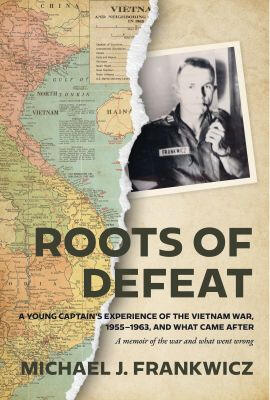
What You Will Learn From The Book
Roots of Defeat offers a rare, unfiltered view into the early years of America’s involvement in Vietnam through the eyes of a young Army officer, Michael J. Frankwicz. Through his letters, essays, and reflections, you’ll witness the transformation of an idealistic college student into a disciplined leader navigating the chaos of Cold War–era military life and the human cost of a war still taking shape.You’ll gain an intimate understanding of the moral conflicts, cultural divides, and personal resilience that defined the Vietnam generation. Beyond the battlefield, the book reveals lessons in courage, compassion, and the lasting effects of duty and loss—reminding us how history’s broader struggles are always lived most deeply in the hearts of those who serve.


Based on the real letters and reflections of a young U.S. Army officer.
Reveals the untold early years of America’s involvement in Vietnam.
A deeply human story of courage, loss, and legacy.
Chapters
Part I: PRE-VIETNAMChapter 1: Background of a Young Warrior (1955-1960)
After leaving the University of Wisconsin when funds ran out, Michael J. Frankwicz enlists in the U.S. Army and begins a path of discipline and leadership through rigorous training and Cold War service in Europe. His early experiences forge a sense of duty and conviction that define his character. Returning home in 1960, he embraces Kennedy-era optimism—only to glimpse the first cracks in America’s growing involvement in Vietnam.Part II: WAR DIARIESChapter 2: Into History-Over We Go (Fall 1961-May 1962)
Now a captain, Frankwicz trains in Vietnamese at the Army Language School before deploying to join the first wave of American advisors. His letters reveal both the harsh beauty and isolation of the Central Highlands, as well as growing confusion within the U.S. mission. Beneath early optimism, he begins to sense the widening gap between Washington’s vision and Vietnam’s reality.Chapter 3: The Early Days (May-July 1962)
As base camp commander in Kon Tum, Frankwicz faces primitive conditions, cultural divides, and the strain of an undefined mission. His vivid letters reveal courage, compassion for the Montagnard people, and growing frustration with flawed U.S. leadership. The reality of war sets in as he begins to experience the weight of loss.Chapter 4: Things Get Harder (July 1962-January 1963)
Commanding through monsoon rains and increasing Viet Cong threat, Frankwicz struggles to maintain order and morale in worsening conditions. His letters reveal both determination and disillusionment as casualties rise and U.S. strategy falters. By year’s end, his faith in the mission is shaken, and the war’s human cost becomes painfully clear.Chapter 5: A New Assignment (January-April 1963)
Frankwicz transitions from base command to a new advisory assignment working with the Kon Tum Province Vietnamese Civil Guard and Self-Defense Corps units. He struggles against bureaucratic inefficiency, lack of resources, and political interference that cripple meaningful progress. His letters reveal growing frustration as he witnesses the widening gap between the realities of combat and the narratives crafted by U.S. leadership—an insight that cements his belief the war was already being lost from within.Chapter 6: The End of My Army Career (June 1963 and Beyond)
Frankwicz’s willingness to challenge flawed U.S. strategy brings his Army career to an abrupt and painful end. His reports and appeals, meant to correct the mission’s course, instead mark him as a troublemaker in a system resistant to truth. Through his words, the reader sees a soldier’s courage turned inward—fighting not the enemy abroad, but the bureaucracy at home.PART III: OTHER THOUGHTS ABOUT THE WARChapter 7: Wartime Writings
This Chapter gathers three analytical pieces Frankwicz wrote during the 1960s, blending the mindset of a soldier-scholar with the urgency of a man trying to correct a failing mission. Drawing from his firsthand experience, he critiques U.S. military policy, strategy, and leadership while proposing practical reforms for irregular warfare and counterinsurgency. These writings capture his clarity, conviction, and frustration—an insider’s attempt to warn his superiors before the war’s mistakes became irreversible.Chapter 8: Later Writings
In a series of essays written decades after the war, Frankwicz reflects on Vietnam’s enduring lessons and America’s political and moral failures. He contrasts the bravery of soldiers with the shortsightedness of leaders and the distortions of the antiwar era. His voice—both analytical and deeply personal—seeks meaning in the war’s legacy and in the price of truth.
About The Author
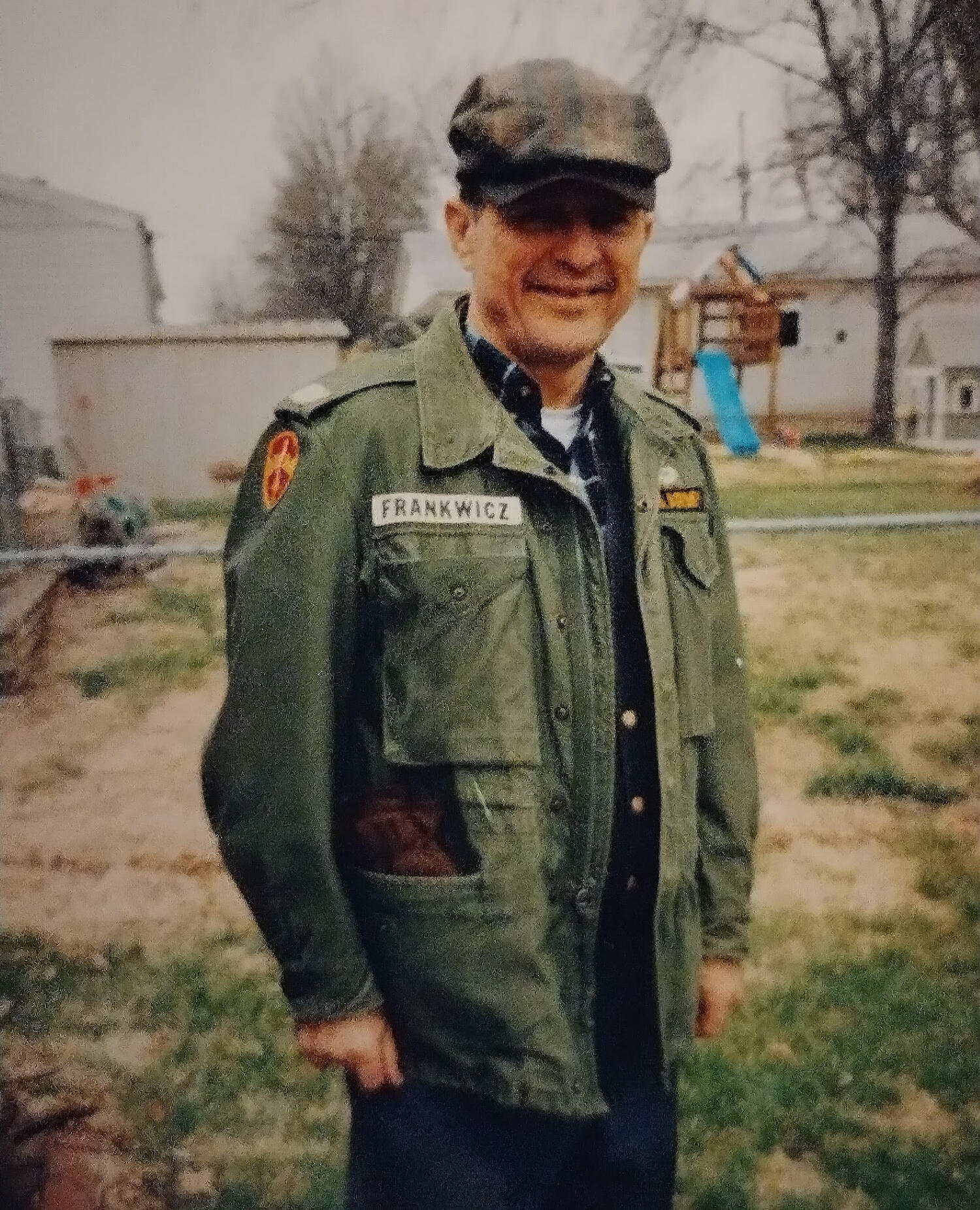
Michael J. Frankwicz (1935-2001) served in the U.S. Army from 1955 to 1963, including tours in Europe and Vietnam. A dedicated officer and thoughtful observer, he documented his journey through letters and essays that reveal both the discipline of command and the emotional weight of service. His writing offers an intimate view of a soldier’s life during the formative years of the Vietnam conflict.His daughter, Rebecca J. Frankwicz, has carefully compiled and edited his work to preserve his words and share the human story behind them. Roots of Defeat brings to light the courage, doubts, and enduring humanity of a young officer whose reflections still resonate today.
U.S. Army Officer, 1955–1963
Veteran of the Vietnam War
Author of Roots of Defeat
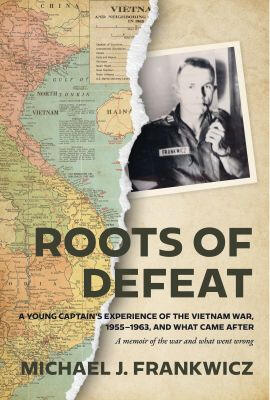
Last Call To Action!
Discover a firsthand account of the Vietnam War's earliest years-and why it's lessons still matter today.